
Comforting Children: The Power of Teddy Bears

Teddy bears have been a staple in childhood for generations. These soft, cuddly companions offer more than just comfort; they serve as a source of emotional support, a tool for imaginative play, and a bridge to understanding complex feelings. In this blog post, we will explore the profound impact teddy bears have on children's emotional well-being, their role in fostering creativity, and how they can help children navigate the ups and downs of growing up.
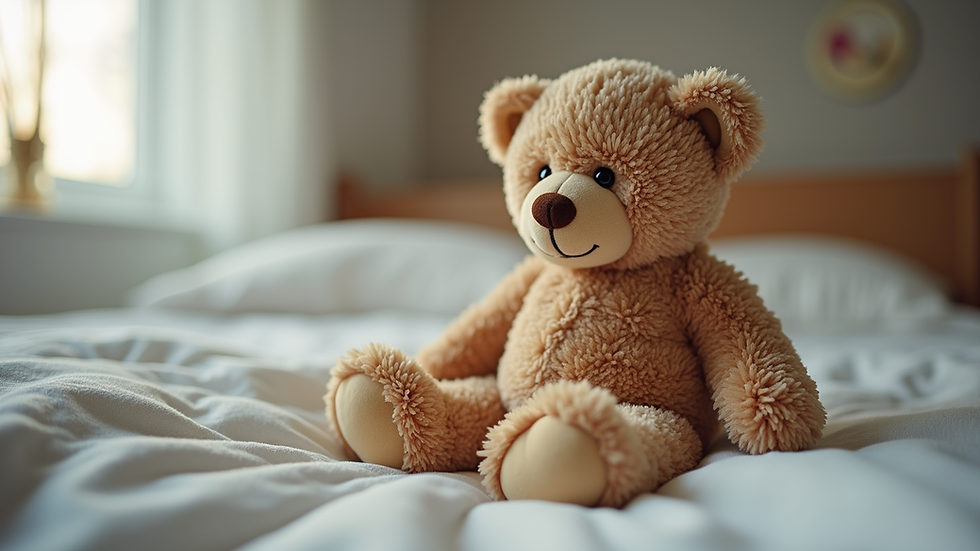
The Emotional Support of Teddy Bears
A Safe Haven for Feelings
Children often experience a whirlwind of emotions that can be overwhelming. From the excitement of a new school year to the sadness of losing a pet, these feelings can be difficult to articulate. Teddy bears provide a safe space for children to express their emotions.
Listening Ear: Kids often talk to their teddy bears as if they were friends. This practice allows them to verbalize their feelings without fear of judgment.
Comfort in Times of Stress: During stressful situations, such as a family move or a parent's absence, a teddy bear can offer a sense of stability and comfort. Holding onto a familiar toy can help reduce anxiety.
Building Emotional Intelligence
Teddy bears can also play a crucial role in helping children develop emotional intelligence. By interacting with their stuffed friends, children learn to identify and manage their feelings.
Role-Playing: Children often engage in role-playing scenarios with their teddy bears, which can help them practice empathy and compassion. For example, a child might pretend their bear is sad and needs cheering up, allowing them to explore feelings of sadness and joy.
Understanding Relationships: Through imaginative play, children can simulate various social situations, helping them understand relationships and develop social skills.
The Role of Teddy Bears in Imaginative Play
Fueling Creativity
Imaginative play is essential for a child's development, and teddy bears are often at the center of this creativity. They serve as characters in countless stories and adventures.
Storytelling: Children often create elaborate narratives involving their teddy bears, which can enhance their storytelling skills. This creative expression is vital for cognitive development.
Adventure Companions: Whether embarking on a quest to find treasure or going on a picnic, teddy bears are the perfect companions for imaginative adventures. This type of play encourages problem-solving and critical thinking.
Social Interaction
Teddy bears can also facilitate social interaction among children. When kids play together, they often include their stuffed animals in the fun.
Group Play: Sharing teddy bears during playdates can help children learn about sharing and cooperation. They can create group games that involve their stuffed friends, fostering teamwork.
Conflict Resolution: When disagreements arise during play, children can use their teddy bears to mediate conflicts, teaching them valuable negotiation skills.
The Therapeutic Benefits of Teddy Bears
A Tool for Therapy
Teddy bears are not just toys; they can also be valuable tools in therapeutic settings. Many therapists use stuffed animals to help children express their feelings and work through challenges.
Comfort in Therapy: For children who may feel anxious in a therapy setting, having a teddy bear can provide comfort and security. It can serve as a bridge to open up about their feelings.
Expressing Trauma: In cases of trauma, children may find it easier to talk about their experiences through the lens of their teddy bears. This can help them process difficult emotions in a safe way.
Building Resilience
Teddy bears can also help children build resilience. By providing a sense of comfort and stability, they can help children navigate life's challenges.
Coping Mechanisms: Children can learn to use their teddy bears as a coping mechanism during tough times. For example, hugging a teddy bear during a thunderstorm can help alleviate fear.
Encouraging Independence: As children grow, they may start to rely less on their teddy bears. This transition can help them develop independence while still holding onto the comfort they provide.
Choosing the Right Teddy Bear
Factors to Consider
When selecting a teddy bear for a child, there are several factors to consider to ensure it meets their needs.
Size: A larger teddy bear may provide more comfort, while a smaller one can be easily carried around.
Material: Look for soft, hypoallergenic materials that are safe for children.
Features: Some teddy bears come with additional features, such as sound or light, which can enhance the play experience.
Personalization
Personalizing a teddy bear can make it even more special for a child. Consider options like:
Name Tags: Adding a name tag can make the bear feel like a true companion.
Custom Outfits: Dressing the bear in outfits that reflect the child's interests can enhance imaginative play.
Conclusion
Teddy bears are more than just toys; they are companions that provide emotional support, foster creativity, and help children navigate their feelings. By understanding the power of these beloved stuffed animals, parents and caregivers can better support children's emotional development. Whether it's through imaginative play, therapeutic settings, or simply offering comfort during tough times, teddy bears hold a special place in the hearts of children everywhere.
As you consider the role of teddy bears in your child's life, think about how these simple companions can help them grow, learn, and thrive. Encourage imaginative play, foster emotional expression, and watch as your child's bond with their teddy bear flourishes.


Comments